


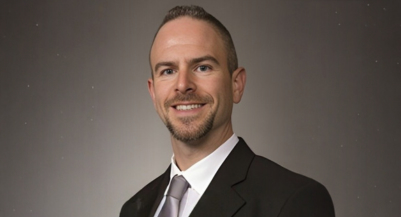
In this Episode
- [04:49]Joel Steele shares his early life struggles, including flirting with jail and bankruptcy, and how he turned his life around by focusing on his potential.
- [07:56]Joel describes emotions as the ultimate game of charades, urging people to tune into their feelings to understand their purpose.
- [12:28]Joel discusses the significance of surrounding oneself with positive influences and how they can help in overcoming challenges.
- [31:59]Joel recounts his experience of being ripped off by a buyer and how it led to a significant low point in his life.
- [37:05]Joel highlights the role of community and support in overcoming challenges and achieving success.
- [40:02]Joel explains the three P’s of his framework: potential, passion, and purpose, and how they help power one’s life switch.
- [45:27]Joel shares his daily habits, such as starting the day with a workout to build productivity and positivity.
Joel, it’s so great to have you on the show.
Thanks for having me. I’m glad to be here.
Let’s first start with your superhero origin story. How did you get to where you’re at now with your book and everything? I’m sure there’s a story of struggle there that you might want to share with our viewers or listeners.
I’ve had several chapters and stories in my life with struggle, and that’s what’s made the victories and successes that much more rewarding. Ultimately, I’m sitting here today because I’ve had failure, because I fell on my face. But I think we’ve all had moments like that. Of course, it’s what you do coming up from that.
My superpower, the ability to be able to put on the cape, is that I believe I can accomplish anything. As a child, I did that once at an early age. I kind of forgot about that ability within me. When I dug it back out and started using it, I built a series of streaks of success, and they grew bigger and bigger, better and better.
Ultimately, the biggest one, which was the small restaurant chain I started, just collapsed and came crumbling down. It felt like I was sort of thrown into the bottom of the ocean. I just thought I had to lie there and drown. I remembered, “Wait a second, I can do this. I can get up and make, maybe not this, work, but I can make something work.”
My superpower is that I believe I can accomplish anything.
I think the superpower for a lot of people, and for me unknowingly, is that you can do anything if you focus on it and you 100% believe in yourself. You have to remove doubt because doubt is people’s kryptonite.
How do you remove doubt? That’s not an easy thing. Fear, uncertainty, and doubt kind of run the world in some regards.
For many people, they’re their own worst enemies because of self-doubt. It’s not so much because someone said, “You can’t do this.” They’re telling themselves, “I can’t do this,” or they put a question mark in, “Can I do this? Maybe I can’t do this.”
I think it’s really important to think about it this way: when you have doubts or negative thoughts, view it like a song. If you don’t have a positive thought, something negative pulling you down, skip it. Just delete that default from your mind. You do that when you’re listening to Spotify or whatever kind of music source. You skip whatever you don’t want to hear.
If you become aware of positive thoughts, use them for what they are, and realize you’ll have negative thoughts. It’s impossible not to. But if you become aware of them and decide you’re not going to play them or listen to them, you can just start swiping them out of your way and put on blinders.
I’m only going to focus on where I’m trying to go, and I’ll put into my mind only the things I know will help me get there.
I read that it was a pretty tough earlier part of your life, flirting with jail and bankruptcy. Could you talk a bit more about that?
For many people, they’re their own worst enemies, held back by self-doubt.
That was in the phase of my later years of being a kid, almost an adult. I got into the wrong crowd. My life switch was off. I was just following people trying to fit in, really had no idea where I was going. If you get your car and don’t know where you’re going, who knows where you’ll end up. That’s exactly what happened. I latched onto some people who were going in a negative direction. I found myself at gunpoint several times, not knowing if the person was going to pull the trigger. That’s a very scary thing when your life could be over like that; you don’t plan for that. But when you’re doing things like that, you start to test the world and the higher powers, if you believe in those types of things.
I almost ended up dead and almost ended up in jail because of some of the things that we were doing, some of the things that we were around. The whole while I thought, “Hey, I’m a good person, I’m a good kid, everything will be fine.” But when I looked in the mirror, I realized I no longer recognized that person. I always considered myself a good person, but I wasn’t doing anything to really earn that title anymore. It’s about awareness and what you’re thinking, feeling, seeing, and all these types of things. If you don’t tune into yourself, you’re going to struggle. If you understand how you’re wired, then you could really get the most out of yourself and ultimately out of the entire world around you.
Was there some sort of divine intervention that happened, especially when those two gun incidents happened? How did you end up walking away from that without getting killed?
There was nothing divine about it. Ultimately, with these same people, I’d gotten lucky too many times where it’s like, “You know what, I’ve got to stop playing this 50-50 game.” The intervention was when we got pulled over and almost arrested by a police officer. The only reason I wasn’t arrested was that I wasn’t 18 yet, but he did take me to the local jail and asked me to pick out which jail cell I wanted to be in. That was the moment when I probably turned white because I was thinking to myself, “How do you make this choice? These are terrible choices.” It was that moment that really scared me straight. From there, it wasn’t just “Okay, I have to stop doing this,” it became “Okay, stop doing this, but start doing that.”
That was the beginning of when I really started to empathize and have a real passion, just lit that flame of helping people, because I had been hurting people in a small way. I didn’t physically hurt anybody, but we were stealing things, and that was violating people’s privacy and all that stuff.

I empathized, and I just said, “Gosh, I was so rotten. I want to help people now.” That passion is what fueled me to pursue the next several careers I embarked on. Even to this day, if I’m not helping people in some way, I feel as if I can’t breathe. I feel like I’m rotting away and not living my purpose. That really negative moment ultimately flipped into something very positive that continues to this day.
How do you know what your purpose is? Did you get a memo somehow, or what happened?
I think emotions are like the ultimate game of charades. Your emotions are yelling at you to do this or not do that. They’re telling you what to do, but they’re doing it without words every day, all day. If you could tune in and really try to understand what your body and your emotions are telling you, they’re telling you the secrets of life, and of what your purpose is.
I decided to tune in, and it’s the feelings you get. There are thoughts, and there are feelings. Feelings and emotions drive you more than anything. Of course, you want to let it guide you in the right direction, not drive you crazy. Some people suppress these emotions and these feelings. They smoke something, they drink something, they go somewhere, they put on TV and unplug from their life and into someone else’s for hours on end.
If you don’t tune into yourself, you’re going to struggle. If you understand how you’re wired, then you could really get the most out of yourself and ultimately out of the entire world around you.
These emotions are gold. They’re the key. But they’re also unpleasant at times. That’s what people need, but oftentimes they don’t want it. People want results, but they sometimes don’t want to go through what they need to go through to get them.
For me, it was recognizing that I wasn’t fulfilling my potential on a somewhat regular basis. The more I tried to push it off and hang out with other people and do other things, the more it started screaming at me. I could not escape it or myself. You can never escape yourself, and it just hit me that I have to do something about this because this is uncomfortable. As I began pushing my mental and physical abilities and realized the sky was the limit for both, I started to feel fulfilled.
Ultimately, fast-forward a bunch of years and do the book. I would get two to three hours of sleep, then jump out of bed, so excited to share these messages with others. I would get kind of goosebumps. I would be giddy like a kid on Christmas morning, opening their gifts. Those feelings told me I was on the right track. I was focusing on the right things, and I had to continue to pursue that.
How would you describe your relationship with your higher power, with the creator, God, however you refer to him?
I keep it simple. We were put here for a reason, ultimately by God, and I don’t get too religious, but I think that each year, you want to renew your ticket to have another lap around the world here. You want to give God a reason to keep you here.
We talked about being held up at gunpoint, part of this for me at that time, ultimately, after it happened four or five times, I kind of lost count, was, “Hey, I think you’re pushing this, and I think you should stop ending up staring at the barrel of a gun because one of the times you might not be giving a good enough reason to be here anymore.”
If you become aware of positive thoughts, use them for what they are, and realize you’ll have negative thoughts. It’s impossible not to. But if you become aware of them and decide you’re not going to play them or listen to them, you can just start swiping them out of your way and put on blinders.
That was another thought that helped get me out of that negative loop. There’s a great quote by Mark Twain. He said, “The two most important days that are for everyone out there who’s alive are the day that you were born, and then the day you realize why we all have a purpose.”
We’re here for a reason. Figuring out that purpose can be tough and overwhelming, but you should always be on that journey. Even if you haven’t figured it out, which most people haven’t, there’s nothing wrong with that. But just be looking, be mindful that, “Hey, it’s out there. There’s a purpose within me and out there for me.” If you keep looking for opportunities, you’re much more likely to find them. You’ll find it at some point, it might be your 20s, 30s, 60s, who knows? But part of the excitement is that you’re on a journey and you’re going to figure it out, but you have to keep telling yourself that.
In a sentence, what is your purpose?
My purpose is to entertain and inspire people. It’s that simple. I could be out here on stages and in podcasts, doing this, not doing that. But I think people are kind of getting tired of getting hammered over the head. I like to tell some of the stories, the experiences that I’ve gone through, so they can flip that in their mind to be looking into their own story and realize that they’re holding a pen in their hand and everyone is writing their own story today. Tomorrow you’re writing your own story, whether you realize it or not, however you wanted to end up, you’ve got to sort of design that. If you don’t, you might end up an extra in someone else’s movie. That’s an important way to look at that.
What are some of the most fantastical, outrageous, funniest or most profound stories that you’d want our listener or viewer to hear?
Well, I’ve had a lot of good and bad things happen. One of my favorite stories happened about five or seven years ago. I was playing in a 30-plus basketball league. I love basketball. I’m a huge, huge fan and actually own a minority stake in a team. Anyway, I played basketball and was all excited to come out, but I ended up missing every shot in the first half. I don’t know whether it was 10 or 12 shots, but I missed every one.
If you could tune in and really try to understand what your body and your emotions are telling you, they’re telling you the secrets of life, and of what your purpose is.
At the buzzer, leading into halftime, I came down the lane for a layup, and I actually airballed a layup. Who airballs a layup? At halftime, I told my teammates that I wanted to quit. I wanted to go home. I was not helping the team. I was absolutely awful. They convinced me to stay and come off the bench. I thought, “Okay, that’s fine because I’d rather not quit. But I just didn’t know what else to do. I had never played that badly in my life. I felt like a complete waste of space.”
Fast forward into that second half, I finally come off the bench, and I made every shot, every single shot, two pointers, three pointers, free throws. I had 20-some points in the second half, sent us into overtime, and it was a really great experience that reinforced everything I know: “Don’t quit, get back in the game,” all these things. But I, at the time, had a really hard time believing that. Fortunately, I had people, my teammates, around me who helped remind me of that.
The point is, don’t give up on anything personally, professionally, or at halftime. Because you can always turn it around. Also, surround yourself with positive influences who can help you get back on the horse and back in the game. But that, to me, was one of my favorite and most recent real-world experiences: how magical and powerful it is not to quit on yourself, not to give up, and to keep putting one foot in front of the other. That’s one example. There are obviously many others.
Okay, so let’s dig a little deeper here. Are you a professional basketball player, then?
No, I know I look like that with my five-foot-nine stature. But no, I own part of a couple of pro sports teams. One is an NBA G League team affiliated with the Denver Nuggets, and the other is a USL Championship soccer team in Rhode Island. But I love sports and competition. That’s part of the reason I joined these two organizations: I love seeing the best go up against the best. Pull out the best of yourself and therefore others.
What got you into professional sports and into being a minority owner and all that? There must have been some sort of spark, a magic moment or something that happened. It’s like, “Wow, I totally gotta get a more meaningful stake in this game.”

What you just said, a spark, a meaningful moment, I call those “life switch moments.” It’s when the switch flips. Think about this, you walk into a room, you flip the switch on, and it’s bright, you can see clearly everything. If you’re kind of going in through a room that’s dark, you’re feeling around, I’m not sure what that is, that might be a piece of clothing, it might be a rodent, I don’t know. But when I had these life switch moments, this was one of them, where I had been around sports, I played sports in high school and up to that. But when I got to the end of college and, ultimately, into my business career, I just hit the stop button.
I stopped watching sports, following sports, collecting cards, all that. It just completely ended. When my restaurant business fell apart, there was even less time for the things I was passionate about. There was this blackout phase where I had nothing to do with sports. Ultimately, once my business got off the ground, probably about 10 or so years into my financial company, I started getting those feelings again. Something’s missing this competitive edge, and what is that?
I thought about it, and it’s sports. I don’t really play sports. I don’t watch sports, and that’s missing from my life. That’s something I was passionate about as a kid. Once again, by tuning into myself, realizing how I was wired. I couldn’t get away from the fact that sports were part of me, and I needed to get back into them somehow, even though I was much older. I wasn’t really going to play much anymore. That’s when I thought, “Okay, life switch moment is maybe I can get involved with sports ownership.”
That’s when I began approaching local professional teams. I branched out to find the best fit. This same experience of looking within, realizing what was important for me to do and also not do, in this case, was to go after the business of sports, specifically basketball. I landed in the perfect spot because I really focused on that goal. I didn’t think about or listen to people say, “That’s ridiculous. How do you think you can own part of a team? You’ve never played pro basketball.” I didn’t want to hear that. I didn’t think that was relevant. I didn’t care. I just put the blinders on as we talked about earlier, and it worked amazingly well.
We were put here for a reason, ultimately by God, and I think that each year, you want to renew your ticket to have another lap around the world.
Now I have an NBA championship ring, and it’s like, “Wow, that’s crazy.” Well, it is, but it all came from focusing on my passion and pursuing it. I didn’t sit there and say, “Let’s see, yeah, okay, I won a championship ring. That’s important.” It just was, “I miss sports. I want to get involved. What are my options? What are my opportunities? Let me make my first phone call today. Then my first email right now.”
You just built that positive activity. You can step back and wait to see if any responses come in. If not, you go back in and just keep doing this dance until you start to see if you’re on the right track. That’s with anything in life.
You send a cold email or make a cold call to get this opportunity to be an owner of that particular basketball team that won the NBA championship?
Well, I started with local teams. That made more sense to try to get involved there. It didn’t, it didn’t work out. But ultimately, I reached out to many teams and people with connections. Ultimately, this team that I joined, the brokerage company that I connected with, they reached out to me, they said, “We know that you’ve been interested in this ownership, we have a new team that might make a lot of sense.” They said, “But they’re based out of Grand Rapids, Michigan.” I had never been to the state of Michigan at this point. But I didn’t view that as a negative.
I view that as, “Okay, this is an interesting opportunity.” It’s funny because on my way to New York to meet with the primary owner, I told my wife, “I’m going just to meet this guy and listen to him, but just so you know, we’re not doing this.” She thought, “Okay, fine.” About two hours later, after lunch, I called her back and said, “Okay, get the checkbook out. I need you to write this out to this person.” It was that simple because they checked every box. All the things I was looking for, they hit that. I had been talking to another team earlier, and they checked some of the boxes, but not all. I wanted to do it because it was exciting, but something was holding me back.
My purpose is to entertain and inspire people.
Again, it was those emotions, those feelings telling me, “This is not what you’re looking for. It has part of what you’re looking for,” but I truly believe you shouldn’t keep trying to jam a square peg into a round hole. I passed on that one. I went with this one. Four or five years later, it’s the perfect fit. Aside from the fact that I’d have to fly to see my team instead of driving, it’s the perfect fit. I’m thrilled that I followed my emotions and made sure I looked at those boxes to check and weighed the pros and cons. That’s such an easy strategy anyone can use to assess whether they’re doing something for the right reasons or the wrong ones.
You say you tap into your emotions and your body. Are you using muscle testing, or are you getting any kind of psychic or intuitive messages coming in? How does this work from a practical standpoint?
The practical nature is just like standing in front of a mirror right now. If you’re in the car, look in the mirror for a couple of seconds. You are your own therapist. You’re your own psychic. What’s my future hold? Whatever you’re willing to let it hold. I sometimes think, because my mind is always going well, “Maybe I should see somebody. Maybe I should sit down on someone’s couch.” But I think about how this would play out, and I know exactly what they would say. I’m thinking to myself, “Well, I already know what to do.” I think most of us know what we have to do. The question is what’s going to motivate us to actually do it?
I think the simplest formula for success is twofold. Figure out in the situation you’re in what needs to be done. Step two is execute. Just go out and do it. Whatever you’re doing, if you’re in sales or management or whatever career you’re in, you probably know either to a degree or crystal clear what needs to happen to be successful.
Everyone is writing their own story today—whether you realize it or not. However you want to end up, you have to design it. Share on XThe question is, are you going to do it? Why and why not? Early in my financial career, I knew the only way to succeed was to pick up the phone and call people. Oftentimes, people who were gonna probably hang up on me. I would stare at the phone like it weighed a thousand pounds. It was very heavy. I would say to myself out loud, “I’m doing this.” My wife’s name is Kara. I’d say, “I’m doing this so Kara and I can have a nice life.”
I would say this mantra over and over again until I picked up the phone and just started dialing numbers. Once I convinced myself I had to do that, nothing mattered. The first part was doing what needed to be done. I knew what I needed to do. The second part was getting it done. Step one: figure it out. Step two, do it. If you don’t know what needs to be done, that’s when you need to talk to somebody, because that’s ultimately figuring out the rules of the game.
If you don’t know how to play basketball, you’re just running around. You have to understand it. Understand how to win in your life, in whatever area of your life we’re talking about. Figure out what you need to do, get it done, reassess: Am I doing all the things I need to do? Can I do more? Focus on what you can control. Try not to worry about what other people do and say. Just focus on yourself with the right activities.
What if you’re not winning? Are you then losing? Are you learning? Let’s talk about some of the loss/learning moments. I presume that the restaurant had to shut it down. Perhaps that was the time when you went into bankruptcy, but other jobs, other businesses that you had as well, I understand. Walk us through a bit more of your hero’s journey arc.
We’re here for a reason. Figuring out that purpose can be tough and overwhelming, but you should always be on that journey.
Well, I’ll step back before the restaurant. I was a certified personal trainer, and I was super excited. I was in great shape. I had 5% body fat, and I’m having this mindset. “Hey, look at me, train with me. Look what I’ve done for myself.” I got a great slap in the face of nobody cares what I’ve done. It’s what can I do for them? That, to this day, helps when I’m on a stage; it’s not about me or my past; it’s about how I help them.
But when I became a certified personal trainer, I showed up at this local gym, ready to light the world on fire. I had zero clients at this first gym. I had more certifications and more experience than probably anyone there. These guys were training people, and I could see their bellies hanging out of their shirts. I’m thinking, “How are these guys getting clients? They look terrible. They can’t even train themselves.”
I was ready to quit. I’m thinking this is not for me. I don’t understand it. But I went home, and I thought, “Okay, there’s got to be a way I can make this work.” It just makes too much sense. I was passionate about health and fitness. I knew I had the knowledge. I knew I could do this. It was just what was wrong, what was missing.
Ultimately, I discovered that that environment was not the best environment for me. It was more of a canned gym feel that I could be a really good trainer, but I wanted to be at a gym that was perceived as a little more focused on not just showing up, but on getting in better shape when you come to the gym.
At that gym, I started off doing things I didn’t do at the other gym, which was actually talking to people. I realized that I wasn’t going to sell myself. I began approaching people and offering free training sessions. It looked like I was training, and people saw me out there, and they sort of felt like they were missing out, and “Hey, this guy’s always out there on the floor with somebody. He must be good.” I also started working out after my shift, so people could see me practicing what I was preaching. It made all the difference. I went from a terrible trainer with no clients to the best trainer at that gym.

Another example, like that basketball game, had I quit at halftime, I never would have been anything as a personal trainer. But because I took that first loss as part of the winning process, it became a huge win. The same thing happened with the restaurant business. The restaurant failed, and I had my toes dangling in bankruptcy, owing about half a million dollars at 24 years old. That was a loss at the time, because I didn’t stop, I admitted defeat, I say, but I didn’t accept it.
I’m like, “This isn’t over. The restaurant chapter may be over, but it’s time to flip the page, get off the pen, and write the next chapter of the story.” I picked an industry, financial services, where you could work as hard as you want and therefore make as much money as you let yourself make. I wrote that into the story: “I have to do this because there’s no other job at 24 years old that I can make the kind of money I need to avoid officially going bankrupt.”
That part of my story, if this were a movie, it’s like, “Up, up, up, crashing down,” but this is only halfway through the movie. Then we have this life switch moment of realizing I need to shut the restaurant down. I need to move into a different industry, and I need to figure out what I need to do there to rise from the ashes. That’s what I did. But I feel like I kind of wrote this story. Don’t get me wrong, this was not easy. This was incredibly difficult.
But what made it doable was the simple nature of knowing exactly what I needed to do in financial services, picking up that phone, calling people, getting in front of people. It was dialing for dollars. The more I dialed, the more dollars came in. It didn’t mean every call was going to be a winning call, but it was part of that process. Sometimes you lose to win, and it’s the same thing with sports. Sometimes the team reaches a final or a championship game, loses, and it’s a crushing defeat that kills them.
If you keep looking for opportunities, you’re much more likely to find them.
But that’s also the same thing that lights the spark that leads to a championship moment the next season. You need these losses. Ultimately, losses are part of the wins. It’s part of the process of winning. It’s not about not getting dirty, not getting wet, and going undefeated. It’s about finding the catalyst and the tools, and building them into yourself so you can win and get over the hump.
Now you said you had half a million dollars in debt from that restaurant. How long did it take to dig out from under that debt?
Just under two years. I was super fortunate. It is relatively quick. That’s also something that set up the next win. I was dropping off checks for 30 and $40,000. Ultimately, per month, I’d go to the bank with these big checks. I worked my butt off, and I had all this money, but it really wasn’t mine. I just dropped it off at the bank. I remember the feeling of walking out of the bank, carrying all this money. I walk out with none. Such an empty feeling, it was weird. But again, these emotions, these empty feelings of, “My gosh, I’d love to have some of this money for myself someday.”
It just drove me. I kept dropping these checks off, and that kept the fire burning to keep doing well, to build the business I needed to build, to pay off the debt. It was, “Okay, now this money is gonna be yours one of these days.” I paid it off much faster than I thought I might. I was supposed to have it for 10 years. I only had it for not even two. But I was thinking about the satisfaction of going to the bank and putting those checks in my account. That’s what I started to do.
Those checks became bricks in building my own financial foundation. Even to this day, I’ve built financial independence from those painful experiences of bringing checks to other people. I wanted to bring them to myself. It taught me how to handle money. That was important because, if I didn’t have that failure, if I didn’t have that experience of money coming and going, I probably would have blown a lot of money, because I did have success relatively quickly in the financial industry.
Focus on what you can control. Try not to worry about what other people do and say. Just focus on yourself with the right activities.
I’m in my mid-twenties, around a lot of other people who are very flashy. I remember people renting out the stretch hummers and going out and getting bottles of alcohol that they had no business getting, but they could afford it. They did. I made a conscious decision not to let my income and my bills enter into this relationship, where the income’s great, but the bills keep going up with it. I didn’t want to say, “Hey, I’m making 20,000 a month,” or whatever the number was, but my bills are almost the same thing. It takes the fun out of it when you have to do it just to stay even. If you’re treading water, feeling like you’re drowning, that’s not fun. But if you’re jumping in the pool for a little swim, that’s a lot more enjoyable. That’s what I wanted to have.
Were you married at the time?
I wasn’t married during the restaurant days or the early part of my financial career, the first six months, but I was with my fiancé. She was already on board for the ride. There were times when I didn’t think about it, but I did later. What is she signing up for? I remember her father, who would eventually become my father-in-law, helping me move some of my equipment when I was selling it from the restaurant.
I never asked them. I probably should. “Are you okay with this still? Do you see your daughter’s future being bright with me?” But they all believed in me. My wife told me, during and more importantly after, when I could actually pay attention to what she was saying, that she believed in me, that I was going to get through this. It was interesting because I didn’t really believe in myself at the lowest of low points after the restaurant failed. I didn’t know what to believe because everything I believed blew up my face.
I believed that anything was possible. I could do anything, and I couldn’t believe that it wasn’t. But again, I turned that loss into a win. But so she was there, and it’s so gratifying to this day. We’ve been married for almost 22 years, but she stuck with me and got us through that. She didn’t guide me through it, but she was there to support me. Even if I didn’t see her or talk to her about it, I just knew she was there, and those feelings helped. I think what happened was I didn’t want to let myself down, but I really didn’t want to let her down. Her presence in my life really helped out a lot, I would say subconsciously.
Was that the rock bottom moment when you lost the restaurant, or was it being held at gunpoint, or was it another moment?
How magical and powerful it is not to quit on yourself, and to keep putting one foot in front of the other.
It was the lowest moment: the restaurant failed, I held all this debt, and I’m 24, but I still feel like a kid, and everything’s new to me. It was a “Wow, the world is really cold.” It was literally cold because this was around January, February of 2004 or so. The lowest point came when I had the largest order of restaurant equipment I was liquidating for pennies on the dollar. I bought everything brand new. The restaurant wasn’t around that long. The equipment was almost in like-new condition.
It was very good. This guy out in Arizona agreed to buy a lot of it. It’s about $40,000 worth of equipment. He was going to buy it for $4,000. I thought, “Great, that’ll help get me through this next month of paying this debt.” I got it all shipped to him; I wasn’t really thinking about protecting myself. I reached out to the guy. I said, “Okay, can you send the payment?” Long story short, he decided he was gonna rip me off, and he said, “I’m not sending you the money. What are you gonna do about it?” He ripped me off for not just $4,000, but $40,000 worth of equipment. That was the lowest point of my life.
Ultimately, what started to happen was these feelings of anger and rage. I wanted to go out there and really, literally, I wanted to kill this guy. I started to develop a plan in my head. I thought back to my youth and how it didn’t feel good to stare at the jail cells, and which cell I wanted to be in. This was real. I was an adult now. If I booked that ticket and got on the plane, I would set in motion a chain of events that would change my life. I realized there was nothing good that was going to come of this; I just had to sit with and live with what happened and try to move forward.
I didn’t have a takeaway from this, like many things in my life, to say, “Well, let’s turn this loss into a win,” had to just suppress that and deal with that. It made me incredibly mad. But ultimately, that raging anger just went like this. Ultimately, like a candle at the end, it just went away. Thank goodness. But I think sometimes people have moments like that. You see these road rage incidents, and it’s like, “Did anybody wake up looking for a fight on the road?”
No. Again, it comes down to awareness. Is anything good going to come out of this? Why are you doing that? Why are you yelling at this person? Why are you driving crazy, flashing your lights or whatever it is that you’re doing in your life? You have to ask yourself one of my favorite questions, one of the shortest. Why? Why are you doing this? Why are you doing that? You go from there. What can come out of this positive? What’s something negative that might come out of this? Should I continue or should I abort?
The superpower for many people is that you can do anything if you focus on it and you 100% believe in yourself. You have to remove doubt because it is people's kryptonite. Share on XYou’re completely over this guy ripping you off. If you were to see him on the street, you would ignore him; you would greet him. Where are you at with that?
That’s a good question. I haven’t really thought about that in years, but I think what I would do is just tell him what I thought of him, but not go down the road of profanities. I would tell him what I thought of him, that’s messed up, and I would tell him that I think he’s probably gonna get some karma if he already hasn’t.
But I would do it with a smile, because I’m good, and I do believe in karma. We talked about higher powers. I do think what goes around comes around, maybe not immediately. But ultimately, I would not let myself go into that portal of a negative spiral, shouting and cursing. But I would probably let him know what I thought of him as a person, and that it will come back to bite him if it hasn’t already.
One thing that I learned about recently in the last few years is that there’s a prayer that Jews say every night before they go to bed. One of the parts of that prayer is asking God to let the person who has harmed you in any way, physically, financially, in this lifetime or any other, let them have no negative consequence from their actions towards me, the person praying. It’s like, “No man or woman gets any kind of karmic blowback (is essentially what the prayer is asking for) for actions against me,” because there’s no tribulation without transgression.
I learned that from, I forget from which source, but I think it was in a book by Rabbi Shalom Arush. There’s no tribulation without transgression. That means that this person harmed me, so they must have owed me a karmic debt. I don’t want to be on this wheel of karma forever. I just want to completely let it go, and that means I don’t want them to have any karmic repercussions from harming me. I’m curious what you think of this concept.
I think it’s clear that I don’t agree. I don’t sit here and say, “I never felt that, Hey, I want this guy to get hit by a car or something like that.” But my wife’s always listening to the news, and I hear about some really rotten people out there. I think people should have consequences, and there should be karma. I think there is karma, good and bad. But it’s not all bad. As I mentioned again, I was on the path to becoming a bad person. I think my restaurant’s failure had a lot to do with karma.
Sometimes you lose to win.
I think I did some pretty bad things, and I got off probably pretty easily. I didn’t do jail time. I did community service, and I had to pay back some fines and some of the costs of what I took from people. But it really wasn’t that expensive. I think the restaurant I viewed was maybe this happened because it was karma, and then maybe I would have some good karma because I felt that I overpaid my debt to the world with the higher powers. But everyone’s going to have different thoughts, obviously.
I think what you’re saying, the rationale, makes a lot of sense. But I know some people, you hear them, they go to a courtroom, they did something terrible, they killed someone in their family, and they say, “I’m going to forgive you.” That’s not me. I’m sorry. I would not forgive somebody for doing something absolutely terrible. I’m not going to let it consume me, though. It is powerful not to be consumed by negativity, to seek something positive. It’s getting away from the negative and finding something to latch onto as a positive influence. But that’s my take on it. It’s an interesting way of thinking, though.
Was there a silver lining in getting ripped off by that guy who didn’t pay you for the equipment?
That’s a good question. It’s probably all part of the drive that made me successful. Even now, in the speaking I do for the book and the podcast, I talk about this as my lowest point. I think now, and only now, am I able to draw more positive value from it, because it’s a story about being flat on my back and getting kicked while I’m down. I think people can relate to that.
That’s the other benefit of the book: all the stories in my life are that I can help other people relate and figure out how they’re going to deal with this. “Wow, my gosh, how could someone do this? How can someone do this?” Well, more importantly, what are you going to do about it? Again, that doesn’t mean get up and punch them back in the face, but it means how you’re supposed to get up and avoid getting knocked down again. How are you going to propel yourself forward in the most positive way? I am extracting more value from it. But at the time, it was like a “How could you do this to somebody?” Kind of thing.
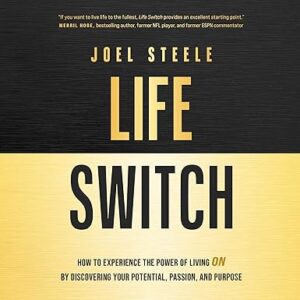
I’m glad you’re getting past it. I appreciate your candor, your honesty, and your vulnerability in sharing all this. Let’s talk a bit about the framework you’ve developed: the idea of life-switch moments, and the phrase “life switch” instead of “light switch.” How did this come about that you came up with this idea and the whole framework around it, and then the book?
I’ll tell you what, if anyone’s out there who’s an aspiring author, it is hard to name your book, your life’s work, your story with like two words. I had about a thousand titles, and Life Switch resonated because I really believe that we all have a life switch, and we’re either living on or we’re living off. I really wanted this book to be out there, where people are listening to or reading it, and for them to be able to relate to it just from the name.
It’s a crowded space. Once you write a book, you realize it feels like everybody has written a book. How do you stand out? It’s tapping into a mechanism we all have: the ability to flip the switch. In the book, I talk about the three Ps. When you figure these out, they help you power on your life switch, and they are your potential, passion, and purpose. With potential, everybody has potential, of course, but not everybody is fulfilling it.
When you really tap into the fact that you can do so many things, you’re so capable, if you’ve got all your faculties and physical capabilities, there’s so much you can do, and there are so many great success stories of people that have gone from rags to riches and all things like that.
Passion is the fuel that can drive you. If there’s something or some things that get you excited and lit up to jump out of bed, and you feel again, giddiness, excitement, that passion is like high octane fuel in your car and it can propel you to wherever you’re trying to go, but you have to have a destination because having that excitement, that passion, the energy and not a destination, it can make you combust in a negative way.
The purpose is really that the destination is your goal. How are you trying to live? If a business has a mission statement, people should have a purpose, a defined purpose.
I mentioned mine to entertain and inspire people. Everyone should be able to give an elevator pitch for why they’re here and what they’re trying to accomplish. It’s not about what you do at work. It’s about you as a whole. Your name badge, your little placard on your office cubicle or your office suite. It’s not who you are, it’s what you do. When you define these three things, you’re more mindful of them, and you use them together, it could really help you power your life switch: you’re seeing clearly, you’re going out there and making things happen, and you’re feeling 100% charged.
If you think about a cell phone, when you wake up, you unplug it; it starts at 100%, then it works its way down. You’ve gotta find ways to recharge yourself. It’s like a bulb. Bulbs go out sometimes. You’ve gotta find ways to get the brightness back on, and sometimes you gotta change the bulb. Sometimes you have to change a job or a relationship. It’s very relatable, the concept of the life switch. That’s why I think it’s successful: people get it and understand it.
What’s a practical exercise that someone can do, let’s say this week, to clarify all three of those Ps, the potential, passion, and purpose?
With the purpose, you want to, as I mentioned earlier, start to delete those doubting thoughts. You want to say, “Here’s what I want to do.” Around the weekends or whenever you’re getting downtime, a long drive, a hot shower, or sitting in the sauna. Think about something that you want to do. You’re getting these thoughts in bits and pieces, but turn off the TV and the radio, and just tune in to yourself.
But think about what you’re trying to do and realize that you can do it. I know this is hokey and maybe cheesy, but anything is possible, and you can do anything you want. You have to understand that and truly believe it and internalize it, almost like swallowing a big pill. You’ve got to get that down. That’s to believe in yourself. Passion, you’ve got to dig it up. I know so many people who have retired; they do nothing with their lives because they’ve forgotten who they are, what drives them, and what they’re passionate about.
When you have doubts or negative thoughts, view them as a song. If something negative is pulling you down, skip it. Just delete that thought from your mind. Share on XReally think about those moments. Maybe back when you were a kid, what drove you? What did you really enjoy doing? I remember when I was a kid, one time I slept in my clothes because I was so excited for the next day. But what moments did you have like that? How can you bring that passion back into your life now? I mentioned that, for me, sports were about playing and being around them. I found a way to bring it into my life as an adult.
There are ways to do that. Again, the purpose is to really put it down on paper, to find your purpose. How would someone describe you in two to five words? How are you doing in that process? Would you say, well, nobody would say that, but I’d like them to work on it. I believe in getting things down on paper because when you do, everything starts here in your mind, and you take the good stuff from your mind. When you take it out of there, it’s intangible. It doesn’t exist in the world. You put it down on paper, you can physically see it.
When you see something, you have a much better chance of believing it. When you see it and believe it, then you have that chance to achieve it. Again, simple advice, but it’s something anyone can do. Everyone has a pen and paper. Everyone has thoughts. Everyone has time to tune in to themselves. You just have to think, where do you want to spend your time? How do you want to be perceived? How can you begin doing that today?
Do you have any particular daily habits that help with your discipline, with your purpose, and give you clarity?
I do. I usually start each day with a workout because it’s on my to-do list, and it builds productivity and positivity. I’m usually on some sort of workout streak. I feel like I’ve sort of vested in what I’m doing here. Also, the endorphins and other chemicals released by your body when you exercise make you feel more positive and capable of stepping out into the real world and trying new things. That’s part of my routine.
The other part is just assessing throughout the day. I don’t listen to anything on my ride to and from the office in most places because I’m thinking, “How am I doing on my to-do list today? What do I need to get done before this day’s over? How am I doing in making progress?” I use it all the time, as a lot of us do. I just have a list of things to do. I am always excited to get that list checked off, everything on that list.
That’s part of my motivation. It’s like a game. It’s just like boop, boop, boop, but I don’t get the satisfaction of checking out the done button unless I do it. That’s what drives me. Everyone has to find what drives them. I think a lot of us look at it as well. It’s money. “If I make this much money, I had a good day.” I think money can be part of the score to keep, but it’s not the only score. It’s like baseball.
If you score or excuse me, if you get hits, usually lead to runs, but the hits themselves aren’t the runs. You could have 50 hits in a game and no runs; it’d be really weird, but that would be a losing effort. You wanna realize, ‘How are you keeping score, and does this score really matter? Is it leading to a win, or am I just putting up numbers? Am I just stat stuffing?’ For me, it’s checking off things on my to-do list that I can physically see, and I can physically check them off. That creates a lot of satisfaction.
All right, awesome. If our listener viewer wants to check out your book, maybe purchase it, where should they go? Also, if they want to follow you, let’s say on social media or wherever, learn more from you, maybe book you for a speaking engagement, where should they go?
You should start by checking out my website. It’ll talk about some of the things we spoke about today in much more detail and how we got to where we’re at now. But the website is bookjoelsteele.com. Through there, you can purchase the book. Most people buy the book on Amazon because you can get the hardcover, the ebook, and the audiobook I recorded. But you can get it at Barnes & Noble, Walmart, and most other places you canfind online. But bookjoelsteele.com is probably the best place to go to understand why I’m here, what I’m about, and how I’m trying to help people.
Awesome. Well, thank you for joining us on the show today. Listener, viewer, if you want to make the world a better place, go out there and do something small and start that momentum going, and we’ll catch you in that next episode. I’m your host, Stephan Spencer, signing off.
Important Links
Connect with Joel Steele
Books